

Roasted Coffee Price Guide: Your 2025 Essential Handbook
Roasted coffee price is more important than ever in 2025, with costs on the rise across the globe. Many consumers and business owners feel lost as prices fluctuate from week to week, leaving them unsure of what drives the changes.
This essential handbook will clear up the confusion around roasted coffee price, empowering you to make informed choices. Inside, you will find clear explanations of the factors that shape price, key market trends, transparent price breakdowns, smart buying tips, and a look ahead at what the future holds.
Ready to get the best value? Use this guide to buy smarter and stay ahead.
What Influences Roasted Coffee Prices?
Understanding what drives roasted coffee price is essential for both everyday consumers and coffee professionals. The journey from farm to cup is shaped by a complex web of factors, each contributing to the final amount you pay. Let us break down the most significant elements influencing roasted coffee price and how they interact across global and local markets.
Global Coffee Production and Supply Chains
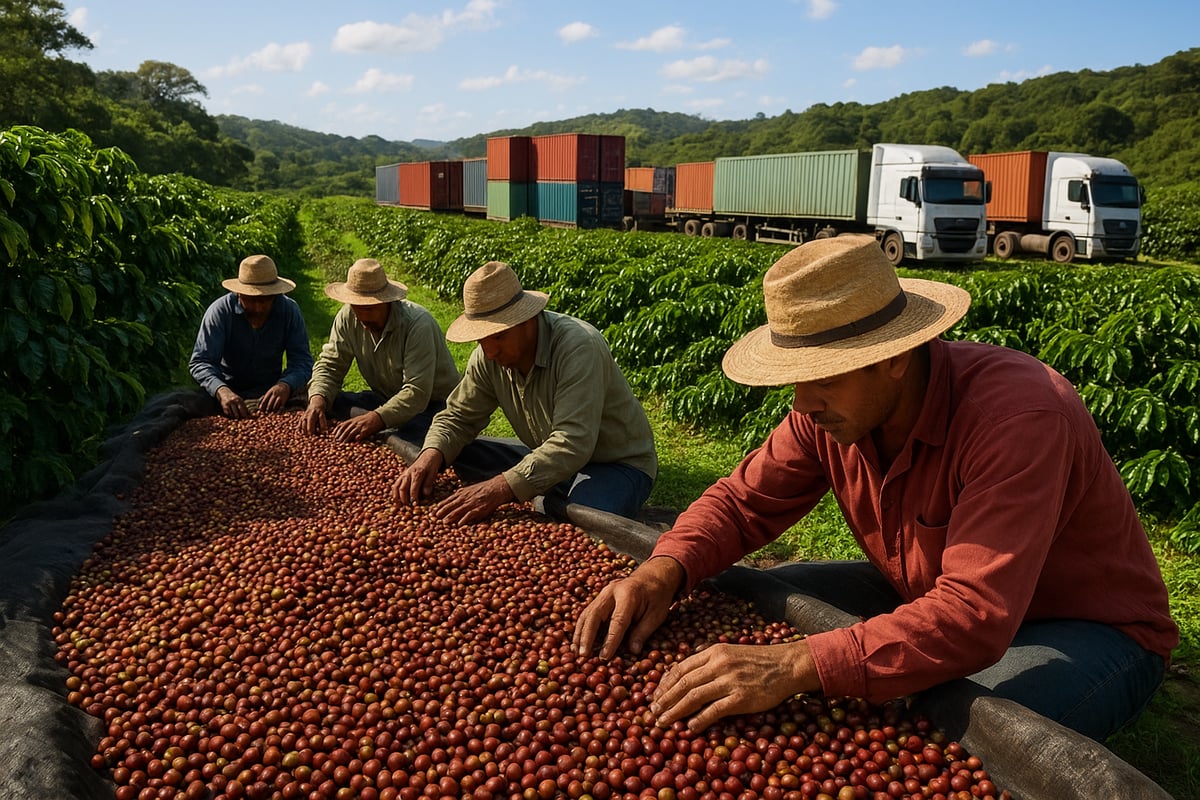
The roasted coffee price starts with the world's leading coffee producers, chiefly Brazil, Vietnam, and Colombia. These countries are responsible for most of the global supply. Weather patterns, such as droughts or frosts, can dramatically affect harvest yields. For example, the frost in Brazil during the 2023-2024 season led to a sharp spike in prices.
Climate change is increasing the unpredictability of these harvests, making supply less stable. Additionally, shipping delays and labor shortages can disrupt the flow of beans from farm to roaster, adding costs along the way. For a detailed analysis of how these global dynamics impact roasted coffee price, consult the ICO Coffee Market Report March 2025.
Quality Grades and Bean Varieties
Not all coffee beans are created equal, and this is a major factor in roasted coffee price. Arabica beans, known for their delicate flavour, generally cost more than the hardier Robusta variety. Specialty-grade beans, which pass strict quality tests, are priced significantly higher than commercial grades.
Certifications like Fair Trade and Organic also influence pricing. These labels often mean farmers are paid premiums, and those costs are reflected in the final roasted coffee price. For instance, specialty Arabica beans can command a premium of 30 percent or more compared to standard offerings.
Roasting Processes and Technology
How beans are roasted plays a crucial role in determining roasted coffee price. Light, medium, and dark roasts require different roasting times and temperatures, affecting energy usage and labor. Small-batch roasting, favoured by artisanal producers, often results in higher prices due to increased attention and manual labor.
Advances in roasting technology, such as energy-efficient equipment and automation, can help control costs. However, initial investments in new technology may temporarily push up the roasted coffee price before efficiencies are realized.
Market Demand and Consumer Trends
Consumer preferences are always evolving, and they have a direct effect on roasted coffee price. There is a growing appetite for premium, single-origin, and ethically sourced coffees. Subscription services and local roasters are also gaining popularity, offering unique experiences and sometimes better value.
In North America, the specialty coffee market grew by 8 percent in 2024, reflecting higher demand and, consequently, higher roasted coffee price for top-tier beans. As more consumers seek out quality and traceability, prices are likely to remain dynamic.
Economic and Political Factors
Economic and political developments can shift roasted coffee price quickly. Currency fluctuations affect the cost of importing beans, while tariffs and trade policies may add further expenses. For example, new tariffs introduced in 2024 on Central American imports to North America resulted in noticeable price increases for roasted coffee.
Staying informed about these external forces can help buyers anticipate changes in roasted coffee price and make smarter purchasing decisions.
Roasted Coffee Price Breakdown: From Farm to Cup
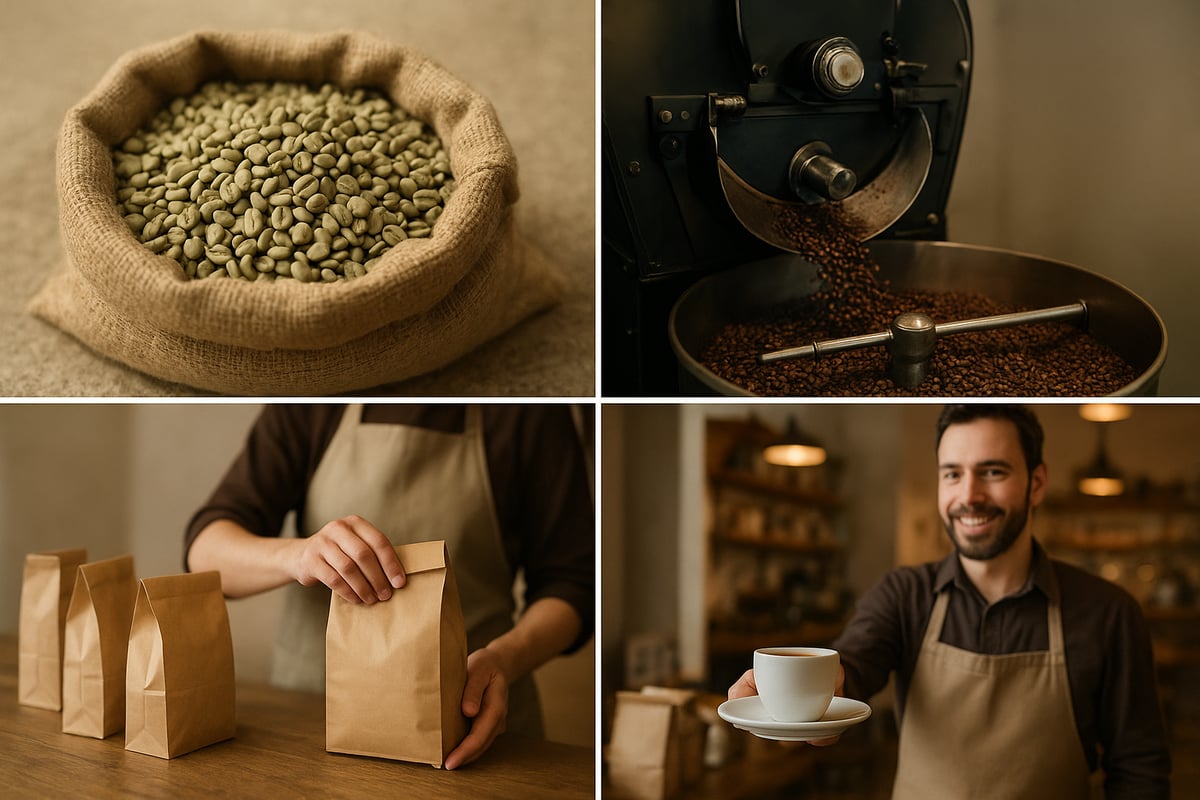
Understanding the roasted coffee price means looking at every step from farm to your cup. Each stage adds value, complexity, and cost. Let us break down where your money goes and how these factors shape what you pay for a bag of quality coffee.
Green Coffee Bean Costs
At the foundation of every roasted coffee price are green coffee bean costs. These are determined by farmgate prices, which reflect what farmers receive for their harvest. In 2024, average green coffee prices ranged from $1.60 to $2.40 per pound for Arabica and $1.00 to $1.40 for Robusta.
Weather, pests, and market demand all affect these prices. For example, Arabica beans, prized for their flavour, consistently cost more than Robusta. Here is a quick comparison:
| Bean Type | Avg. 2024 Price/lb | Flavour Profile |
|---|---|---|
| Arabica | $1.60 - $2.40 | Smooth, nuanced |
| Robusta | $1.00 - $1.40 | Bold, earthy |
These initial costs set the stage for the final roasted coffee price.
Shipping, Tariffs, and Import Fees
Once harvested, green beans travel across continents. Shipping costs include freight, insurance, and port handling. Tariffs can add 5% to 10% to the roasted coffee price, depending on the importing country.
In 2023 and 2024, global port congestion and labour shortages led to increased shipping fees. For instance, a delay at major ports in North America added up to $0.20 per pound to import costs. These expenses are passed along the supply chain, influencing how much you pay for your favourite roasted coffee.
Roasting, Packaging, and Distribution
Roasting is where green beans transform into the coffee we know and love. Roasteries invest in skilled labor, energy, and equipment. Small-batch roasting often costs more per pound than industrial methods, impacting the roasted coffee price.
Packaging innovations, such as compostable bags or nitrogen flushing for freshness, can also increase costs. Distribution channels matter, too. Selling directly to consumers online or at local shops typically results in different pricing structures compared to wholesale distribution. Each step adds value—and cost—to your roasted coffee.
Retail Markup and Final Consumer Price
After roasting and packaging, retailers set the final roasted coffee price. Markups vary widely: supermarkets might add 20% to 40%, while specialty shops or online retailers can go higher.
Consider a typical $20 bag of specialty coffee. Here is how the cost might break down:
- Green beans: $4
- Shipping and import: $2
- Roasting and packaging: $5
- Distribution: $2
- Retail markup: $7
For real-world examples and specific roasted coffee price details, check out Coffee beans pricing and details.
Hidden Costs: Sustainability and Certifications
Sustainability and ethical sourcing have become central to the roasted coffee price. Certifications like Organic, Fair Trade, or Rainforest Alliance often require farmers and roasters to meet strict standards, which raises production costs.
These premiums typically add 10% to 20% to the final price. In a 2024 survey, 60% of consumers said they are willing to pay more for coffee that supports environmental and social responsibility. Choosing certified coffee means a higher roasted coffee price, but also greater positive impact for communities and the planet.
Roasted Coffee Price Trends in 2025
The roasted coffee price landscape in 2025 is more dynamic and complex than ever before. Consumers and businesses alike are navigating a market shaped by global events, shifting demand, and ongoing supply chain challenges. Understanding the current trends is essential for anyone looking to make informed purchasing decisions in today's coffee world.
Global Price Fluctuations and Recent Data
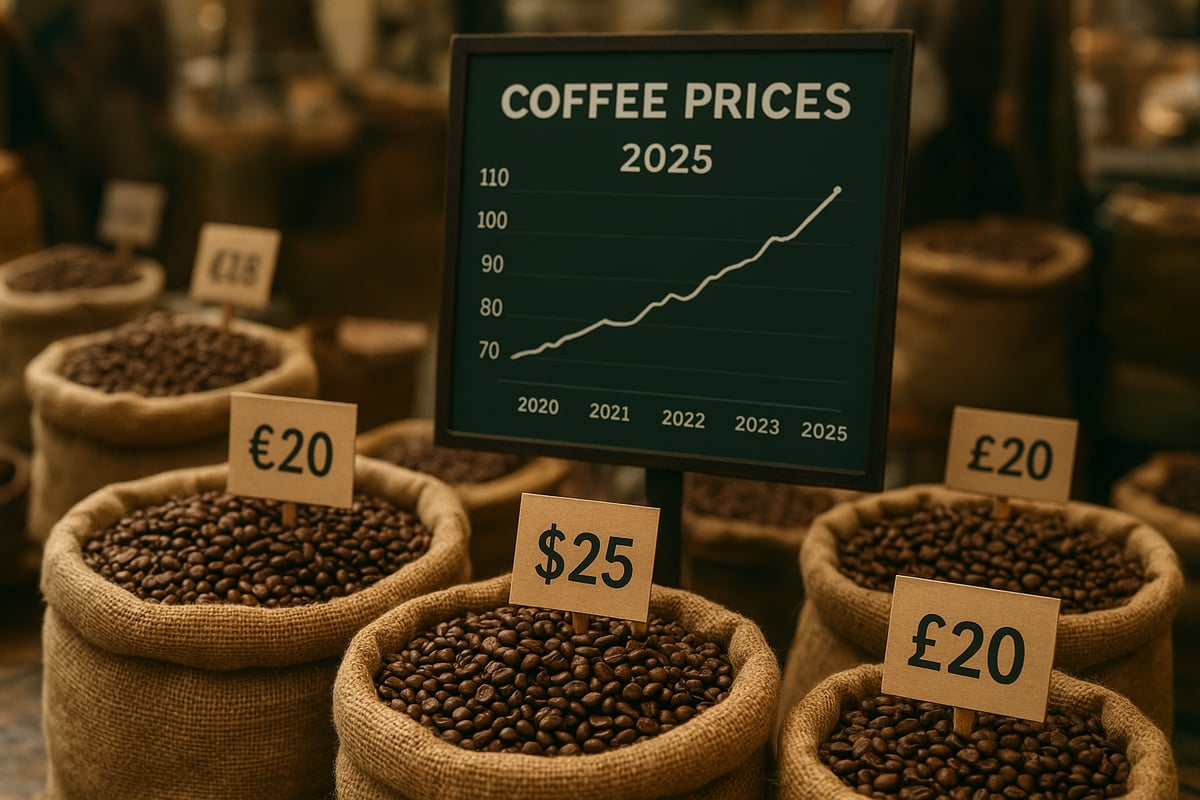
In 2025, roasted coffee price movements have captured attention worldwide. According to the International Coffee Organization, average wholesale prices rose by 15% year-over-year, reflecting ongoing volatility. This spike is driven by a combination of adverse weather in key producing regions, rising transportation costs, and persistent supply chain disruptions.
For a deeper dive, the Specialty Coffee Retail Price Index Q3 2025 provides detailed data on specialty roasted coffee price trends, highlighting significant increases in both wholesale and retail pricing across major coffee-consuming countries.
Regional Price Comparisons
Roasted coffee price differences are pronounced across regions. In North America, a 340g bag of specialty coffee averages $18 USD, while in the UK, similar quality fetches around £12 GBP. Asia-Pacific markets, influenced by varying import tariffs and consumer preferences, see prices range from $14 to $22 USD per bag.
| Region | Avg. Price (340g) | Key Influences |
|---|---|---|
| North America | $18 USD | High demand, tariffs |
| Europe | €15 EUR | Sustainability regulations |
| Asia-Pacific | $14-22 USD | Import costs, preferences |
These variations in roasted coffee price are shaped by local taxes, currency fluctuations, and evolving consumer tastes.
Specialty vs. Commodity Coffee Pricing
The gap between specialty and commodity roasted coffee price points continues to widen in 2025. Specialty coffee now commands a 35-40% premium over commodity-grade options, driven by higher production standards, traceability, and consumer demand for unique profiles.
Market share for specialty coffee has risen to nearly 30%, with average retail prices reflecting this premium positioning. For consumers, understanding the distinction between specialty and commodity-grade coffee is crucial when evaluating roasted coffee price and overall value.
Impact of Climate and Sustainability Initiatives
Climate change remains a critical factor influencing roasted coffee price trends. Unpredictable weather has reduced harvest yields in Brazil and Vietnam, leading to supply shortages and price hikes. Additionally, new sustainability regulations, such as the EU Deforestation Regulation, have introduced compliance costs for exporters and importers.
These initiatives increase the cost of sustainable production, which is reflected in the roasted coffee price at retail. Consumers are increasingly willing to pay more for ethically sourced coffee, further supporting this upward trend.
Subscription and Direct-to-Consumer Models
Subscription services and direct-to-consumer sales are reshaping roasted coffee price structures in 2025. Subscriptions offer consumers a stable price point, often 10-15% lower than single-purchase retail, due to reduced distribution costs and predictable demand.
- Regular delivery ensures freshness.
- Loyalty discounts and exclusive blends add value.
- Roasters benefit from direct relationships with customers.
For many, these models provide a cost-effective way to manage roasted coffee price fluctuations throughout the year.
Predictions for the Next 12 Months
Experts forecast that roasted coffee price volatility will persist through the end of 2025. Key factors to monitor include harvest projections in South America, evolving shipping rates, and shifting consumer preferences toward premium and sustainable options.
By year-end, the projected average price for specialty roasted coffee is expected to reach $22 USD per 340g bag. Staying informed about these trends will help buyers anticipate changes and optimize their purchasing strategies in a rapidly evolving coffee market.
How to Buy Roasted Coffee Smart in 2025
Buying coffee in 2025 is more complex than ever, with the roasted coffee price influenced by quality, sourcing, and market shifts. To navigate these changes, consumers need to understand what drives prices and how to find true value. This section breaks down smart buying strategies, helping you make the most of every cup.
Understanding Labels and Certifications
Reading coffee labels is essential for understanding the roasted coffee price. Look for roast date, origin, and certifications such as Fair Trade or Organic. These details indicate freshness, ethical sourcing, and farming standards, all of which can raise the roasted coffee price.
Certifications like Rainforest Alliance or Fair Trade add cost but signal responsible practices. For example, Fair Trade certified beans often cost more due to higher farmgate prices and sustainability premiums. By decoding these labels, you ensure you are paying for quality and ethical production, not just marketing.
Comparing Retail, Online, and Subscription Pricing
Where you buy coffee can significantly affect the roasted coffee price. Supermarkets, local cafes, and online retailers each offer unique pricing structures. Subscription services are gaining popularity for convenience and potential savings.
| Channel | Avg. Price (340g bag) | Perks |
|---|---|---|
| Supermarket | $12 | Accessible, basic options |
| Local Cafe | $16 | Freshness, local support |
| Online Retailer | $15 | Wide selection, reviews |
| Subscription | $13 | Discounts, freshness |
According to Coffee subscriptions and savings, regular subscribers often pay less per bag and enjoy exclusive offers, making it a smart way to manage roasted coffee price over time.
Evaluating Quality vs. Price
Determining the value behind the roasted coffee price means looking beyond the label. Cupping scores, roast profiles, and freshness are key indicators of quality. Specialty coffees are typically rated above 80 points, justifying a higher price.
Blind taste tests often reveal that mid-priced specialty coffees outperform some expensive brands. If the roasted coffee price is high, verify the cupping score or seek reviews. Paying more is worthwhile when the coffee is fresh, ethically sourced, and suits your taste preferences.
Saving Money Without Sacrificing Quality
It is possible to enjoy excellent coffee without overspending on the roasted coffee price. Buy in bulk to lower costs per pound, use loyalty programs, and watch for seasonal promotions. Proper storage—airtight containers away from light and heat—extends freshness, reducing waste.
- Purchase during sales or use promo codes
- Store beans properly to avoid spoilage
- Join loyalty or rewards programs
- Buy larger bags for better rates
Bulk purchases alone can reduce your annual roasted coffee price by up to 20 percent, making high-quality coffee more accessible.
Supporting Local Roasters and Cafes
Choosing local businesses not only impacts the roasted coffee price but also strengthens your community. Local roasters often offer fresher beans and unique blends, reflecting regional character. In Canada, local coffee consumption has grown steadily from 2024 to 2025.
Supporting small businesses boosts sustainability and keeps more value within your area. For deeper insights, explore Locally roasted coffee insights to understand why local sourcing is gaining traction and how it affects the roasted coffee price.
East End Annie’s: Local Roasted Coffee Experience
East End Annie’s stands out as a trusted source for roasted coffee in Kitchener’s Market District. Their transparent roasted coffee price starts at just $23.00 CAD for whole beans, with additional savings for subscribers and loyalty members.
Emphasizing homemade quality and inclusive menu options, East End Annie’s fosters a sense of community. Supporting local cafes like this not only delivers excellent value but also contributes to community well-being. Your roasted coffee price supports ethical sourcing and local artisans, making every cup matter.
The Future of Roasted Coffee Pricing: Challenges and Opportunities
The roasted coffee price landscape in 2025 is set for significant transformation, shaped by global challenges and emerging opportunities. Stakeholders must navigate evolving supply chains, consumer trends, and technological disruption to remain competitive. Understanding these factors is key for anyone invested in the future of coffee.
Climate Change and Agricultural Innovation
Climate change continues to impact the roasted coffee price by influencing crop yields, quality, and long-term sustainability. Unpredictable weather, severe droughts, and increased pests threaten major coffee-producing regions. In response, agricultural innovators are developing drought-resistant coffee varieties and piloting sustainable farming practices. For example, 2025 pilot projects in Brazil and Ethiopia are testing resilient plants that require less water and withstand higher temperatures.
These innovations are essential for stabilizing the roasted coffee price in the face of environmental uncertainty. According to Coffee Prices Worldwide - Statistics & Facts, climate-related disruptions have contributed to global price volatility, highlighting the importance of adaptation.
Technology, Automation, and Cost Efficiencies
Rapid advancements in technology and automation are reshaping the roasted coffee price structure. AI-driven roasting equipment, energy-efficient machinery, and automated packaging lines are reducing operational costs for both large and small roasters. These changes enable businesses to produce high-quality coffee at scale while maintaining price competitiveness.
Investment in coffee technology surged in 2024 and 2025, with many companies focusing on streamlining production and improving traceability. As a result, some of these savings may be passed on to consumers, helping to offset upward pressure on the roasted coffee price from raw material costs.
Evolving Consumer Preferences
Consumer preferences are shifting toward ethical sourcing, transparency, and artisanal quality, directly affecting the roasted coffee price. Gen Z and Millennials, in particular, value traceability and sustainability over low cost, often seeking out brands that align with their values. A 2025 survey found that 70% of consumers are willing to pay a premium for coffee that is ethically produced and fully traceable.
These changing demands encourage roasters to invest in certifications and direct trade relationships, which can increase the roasted coffee price but also enhance perceived value and loyalty. The market is expected to see continued growth in specialty and single-origin offerings catering to these values.
Policy, Trade, and Global Market Dynamics
Trade agreements, tariffs, and shifting regulatory landscapes are major drivers of the roasted coffee price. Political instability or new tariffs can raise import costs, disrupt supply chains, and create uncertainty for both roasters and consumers. For instance, the 2024 spike in US coffee prices was attributed to new tariffs and adverse weather, as detailed in US Coffee Prices Spike Due to Tariffs and Poor Weather.
Staying informed about international policy changes will be crucial for anticipating fluctuations in the roasted coffee price. Roasters and retailers may need to adjust sourcing strategies and pricing models in response to these external pressures.
The Rise of Alternative Coffee Products
Alternative coffee products are gaining traction and influencing the roasted coffee price environment. Plant-based coffees, mushroom blends, concentrates, and ready-to-drink beverages are capturing market share. These alternatives often come with different cost structures and price points compared to traditional roasted coffee.
| Product Type | 2025 Price Trend | Market Share (%) |
|---|---|---|
| Plant-based coffee | Rising | 10 |
| Mushroom coffee | Stable | 7 |
| Coffee concentrates | Rising | 8 |
| RTD coffee beverages | Rising | 15 |
The growth of these products offers both challenges and opportunities, as consumers explore new options while monitoring the roasted coffee price of traditional brews.
Opportunities for Consumers and Small Businesses
Despite volatility, there are actionable strategies to navigate the evolving roasted coffee price landscape:
- Diversifying suppliers to reduce risk
- Investing in direct trade relationships for better pricing
- Adopting new technologies to improve efficiency
- Focusing on niche markets, such as specialty or sustainable coffee
Small businesses that adapt quickly can carve out unique positions in the market, while consumers benefit by staying informed and seeking value-driven choices. The roasted coffee price will remain dynamic, but those who embrace innovation and transparency are likely to thrive.