

The Essential Guide to Locally Roasted Coffee (2025)
Imagine sipping a cup of coffee so fresh, its aroma tells the story of your neighbourhood. Locally roasted coffee brings this experience to your doorstep, offering unparalleled freshness and flavour in every cup.
This essential guide demystifies locally roasted choices for 2025. You will discover what sets local roasting apart, how to find the best beans, and the secrets behind the roasting process.
Explore expert brewing tips, learn about the impact on sustainability, and see how local cafes shape your coffee culture. Ready to elevate your daily ritual? Dive in and experience the difference locally roasted can make.
What Is Locally Roasted Coffee?
Imagine standing in a neighbourhood café, the air filled with the rich aroma of beans roasted just days ago. This is the world of locally roasted coffee, where freshness, craftsmanship, and community truly matter. Let's break down what makes this coffee so distinct.
Definition and Distinction
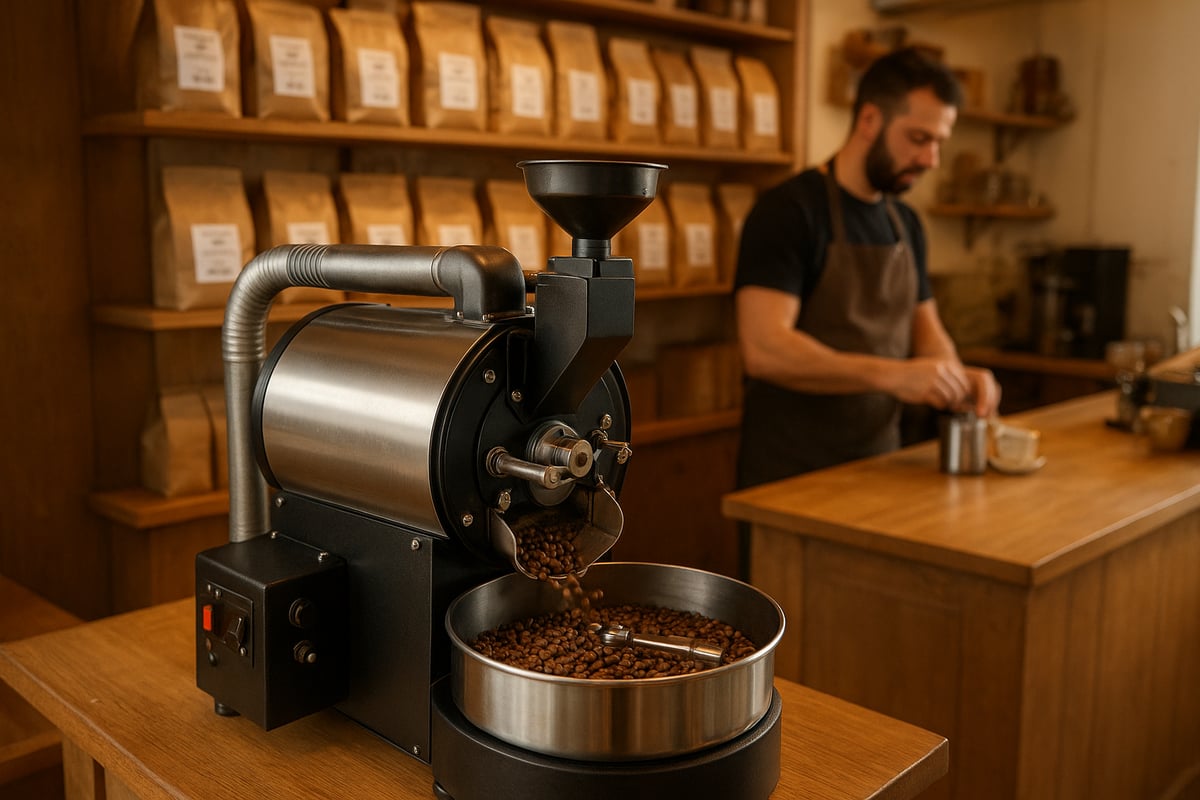
Locally roasted coffee refers to beans that are roasted close to where they will be sold and enjoyed, usually within the same city or region. Unlike commercial or imported options, which may sit on shelves for months, locally roasted beans are typically prepared within days of purchase.
Proximity is key. When coffee is roasted near its point of sale, it arrives at peak freshness. Most local roasters guarantee their beans are roasted and delivered within a tight window, often just 7 to 21 days from roast date.
Consider the following comparison:
| Coffee Type | Roast Location | Typical Freshness | Shelf Life |
|---|---|---|---|
| Locally Roasted | Nearby/Local | 7-21 days | 1-2 months |
| Commercial/Imported | Distant/Central | 1-6 months | 6-12 months |
Looking for an easy way to try locally roasted beans? Explore the Signature Coffee Beans Collection for curated selections from a trusted neighbourhood café.
The Local Roasting Process
The heart of locally roasted coffee is its artisan approach. Small-batch roasting methods let roasters carefully monitor each batch, adjusting temperature and time to highlight the beans' unique character.
Local roasters range from micro-roasters operating in small storefronts to beloved neighbourhood cafés with their own roasting equipment. For example, Kitchener boasts several micro-roasters focused on quality, while national chains often rely on large-scale, centralized roasting facilities.
This hands-on process means each batch is crafted with attention to detail, resulting in a cup that's both fresh and full of personality.
Flavour and Freshness Factors
The true magic of locally roasted coffee lies in its flavour and aroma. Freshness is not just a buzzword, it makes a measurable difference. Beans roasted and consumed within days retain more of their natural oils and aromatic compounds, delivering a richer, more nuanced taste.
A recent study found that 85% of local coffee drinkers cite freshness as their top purchase motivator (source: National Coffee Association, 2024). Local roasting preserves delicate flavours that can vanish in older, mass-produced beans. When you seek out locally roasted options, you're choosing a better sensory experience.
Supporting Local Economies
Choosing locally roasted coffee goes beyond just taste. Every dollar spent supports neighbourhood businesses, from the roaster to the café staff. Studies show that for each $1 spent locally, about $0.68 returns to the community through wages and local investments.
Ontario has seen significant growth in local coffee businesses, with new cafés and roasters creating jobs and fostering economic resilience. This multiplier effect strengthens the fabric of local economies while promoting sustainable business practices.
Community and Culture
Locally roasted coffee fosters a sense of connection and identity within neighbourhoods. Roasters and cafés often host events, tastings, and educational workshops that bring people together.
Community cupping sessions, where customers sample and discuss different beans, have become especially popular. These gatherings not only introduce new flavours but also deepen appreciation for the craft and the people behind each cup.
Whether you're a casual drinker or a passionate enthusiast, locally roasted coffee invites you to be part of a thriving, flavourful community.
The Journey from Bean to Cup: How Local Roasting Works
The journey of locally roasted coffee is a carefully crafted process that transforms raw green beans into vibrant, aromatic cups enjoyed in your neighbourhood. Each stage, from sourcing to brewing, is shaped by the passion and skill of local artisans. Understanding how locally roasted coffee is made empowers you to appreciate every sip and make informed choices about your daily brew.
Sourcing Green Coffee Beans
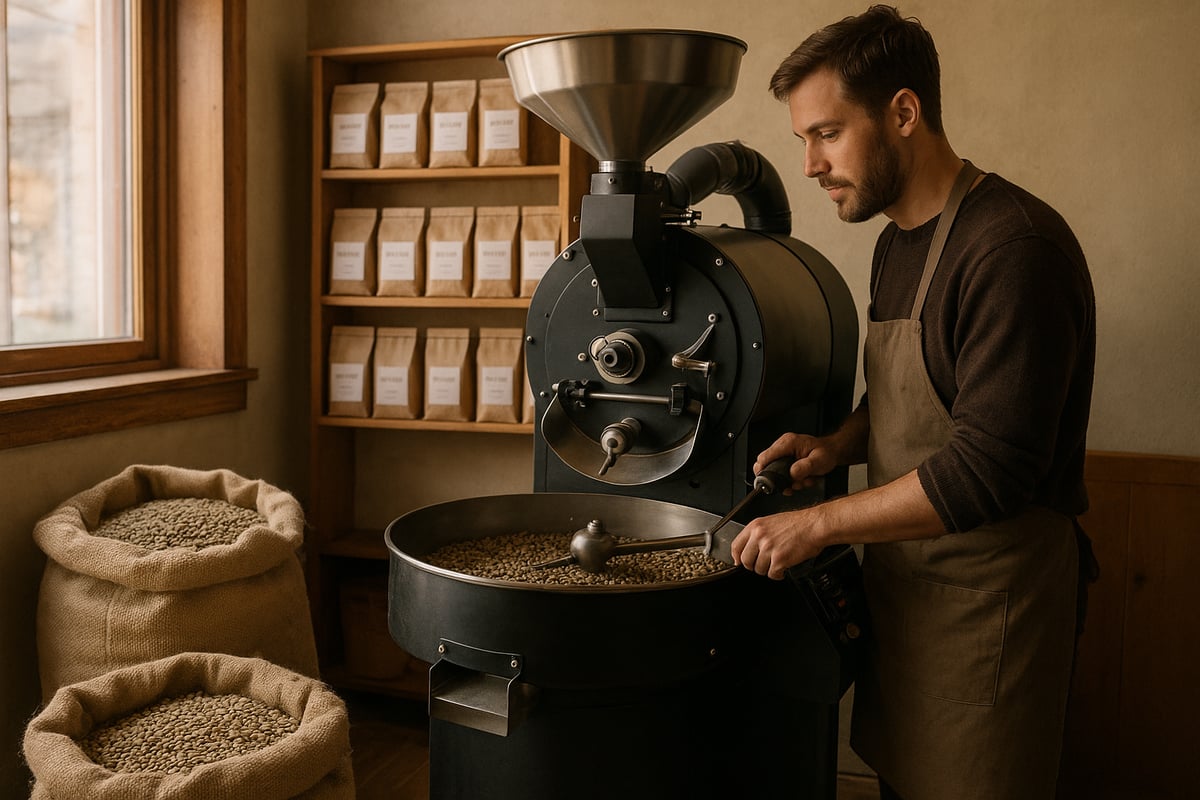
The foundation of every locally roasted coffee lies in the careful selection of green beans. Local roasters often prioritize direct trade and fair trade relationships, ensuring farmers receive fair compensation and sustainable practices are followed. Many locally roasted brands build close partnerships with growers, sometimes visiting farms in Central America, Africa, or Asia to handpick lots and assess quality firsthand.
When choosing beans, roasters evaluate factors like altitude, varietal, processing method, and harvest freshness. These criteria influence the flavour complexity and character of the final cup. For example, Ontario roasters frequently collaborate with Central American cooperatives, selecting micro-lots that reflect unique regional profiles. This intentional sourcing gives locally roasted coffee its distinctiveness and transparency.
Roasting Techniques and Equipment
Locally roasted coffee is defined by its small-batch approach and attention to detail in roasting. Roasters use various machines, including drum, fluid bed, or hybrid models, each influencing the bean's development and flavour. Drum roasters provide even heat and are favoured for their ability to coax out nuanced notes, while fluid bed roasters allow for cleaner, brighter profiles.
Roast profiles—light, medium, or dark—are carefully designed to highlight the bean's origin. Adjusting time and temperature, local experts tailor each batch for optimal taste. According to Coffee Review (2024), 60% of local roasters offer custom roast profiles, letting customers experience a range of flavours. This precision ensures each bag of locally roasted coffee delivers the freshest and most expressive result.
| Roasting Machine | Flavor Impact | Batch Size |
|---|---|---|
| Drum | Rich, nuanced | Small/Medium |
| Fluid Bed | Bright, clean | Small |
| Hybrid | Versatile | Small/Medium |
Tasting and Quality Control
Quality control is a hallmark of locally roasted coffee. Roasters sample small batches, using a process called cupping, to evaluate aroma, flavour, acidity, and body. By assessing each roast, they fine-tune profiles to account for bean origin and seasonal changes. For instance, a Kitchener roaster might adjust their Ethiopian batch to accentuate floral notes during the spring harvest.
Consistency is achieved by regular tasting and feedback, often involving the local community in public cupping sessions. Interested in refining your tasting skills? Explore this Guide to Good Coffee Tips for expert advice on enjoying locally roasted coffee to its fullest.
Packaging, Storage, and Delivery
To preserve the peak freshness of locally roasted coffee, innovative packaging is essential. Many roasters use one-way valve bags that release gas without letting air in. Increasingly, compostable and eco-friendly materials are chosen to support sustainability. The optimal window for enjoying locally roasted beans is typically 7 to 21 days post-roast, when flavours are most vibrant.
Local delivery models make fresh coffee accessible. Options include subscription services, in-cafe pickup, and same-day delivery, all designed to minimize time from roaster to cup. By purchasing locally roasted coffee in small quantities, you ensure each brew is as aromatic and flavourful as possible.
Transparency and Traceability
Transparency is a defining feature of locally roasted coffee. Roasters prominently display roast dates, bean origins, and tasting notes on every package. Many now include QR codes that trace the coffee's journey from farm to cup, letting you learn about the farmer, region, and processing methods involved.
Some locally roasted brands feature farmer bios or roaster profiles on their packaging, inviting customers to connect with the story behind their coffee. This traceability not only builds trust but also reinforces the value of supporting local businesses that prioritize ethical and transparent practices.
Why Choose Locally Roasted Coffee?
Choosing locally roasted coffee is about more than just a cup of caffeine. It is an intentional decision that brings superior freshness, personalized service, and a positive impact on both the environment and your community. Let us explore the key reasons why locally roasted coffee stands out in 2025.
Superior Freshness and Flavour
The most compelling reason to choose locally roasted coffee is freshness. Beans roasted near your home reach you within days, not months, preserving the delicate, volatile aromatic compounds that give coffee its vibrant flavour. Unlike supermarket coffee, which may sit on shelves for weeks, locally roasted beans are often date-stamped so you know exactly when they were roasted.
Local roasters take pride in small-batch methods, ensuring each batch highlights the unique characteristics of its origin. According to the National Coffee Association's 2025 Specialty Coffee Report, consumers increasingly cite freshness as their top priority, driving the popularity of locally roasted options. This focus on flavour and aroma is what distinguishes your morning brew.
Personalized Service and Expertise
Locally roasted coffee shops offer a level of service rarely found in larger chains. Staff are often deeply passionate about coffee, sharing knowledge about origins, roast profiles, and brewing methods. This expertise means you can receive recommendations tailored to your preferences, whether you enjoy a bright Ethiopian or a rich Sumatran.
Many local cafes also provide custom grind sizes and brew guides. Some even host tasting sessions, helping you refine your palate and discover new favourites. Engaging with staff at your local roaster transforms coffee from a habit into a learning experience.
Sustainability and Ethical Sourcing
Supporting locally roasted coffee contributes to a smaller carbon footprint. Beans travel shorter distances from roaster to consumer, reducing transportation emissions and packaging waste. Most local roasters prioritize ethically sourced beans, working directly with farmers or choosing fair trade options.
In fact, 72% of local roasters use ethically sourced beans, promoting better wages and sustainable farming. By choosing locally roasted, you support businesses that value the planet and the people behind every cup.
Community Impact
Every purchase of locally roasted coffee helps your local economy. Money spent at neighbourhood cafés and roasteries circulates within the community, supporting jobs and small business growth. The multiplier effect means more of your dollar stays close to home, benefiting friends, neighbours, and even local charities.
Local roasters often collaborate with other businesses or sponsor community events, creating bonds and a sense of belonging. Choosing locally roasted coffee is an investment in the people and places you care about.
Unique Offerings and Seasonal Releases
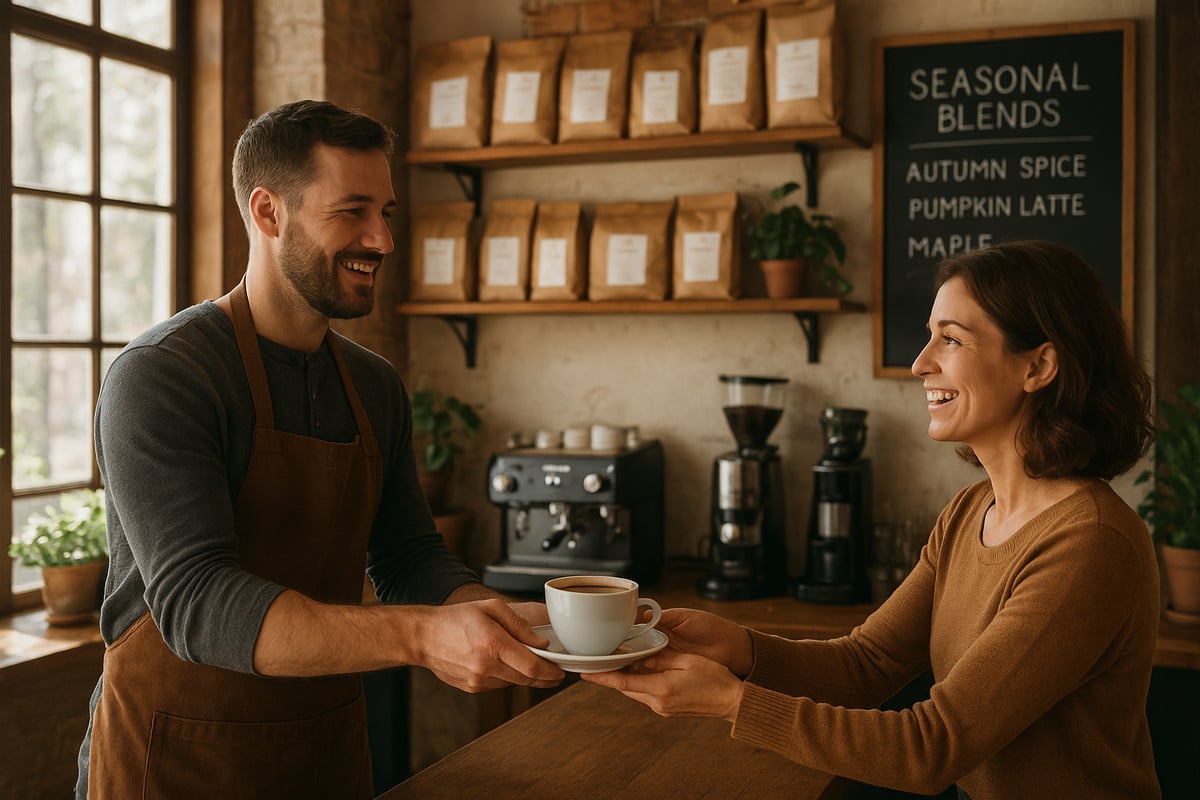
Locally roasted coffee brings an ever-changing selection of blends and single-origin beans. Many roasters experiment with limited editions and seasonal flavours, such as maple-infused or berry-forward profiles, that are unavailable from national brands. These unique offerings keep your coffee routine exciting.
With locally roasted options, you will discover exclusive releases and experimental roasts that reflect the creativity of your local coffee scene. This variety makes each visit to your favourite café a new adventure in taste, and reinforces why so many choose locally roasted coffee for a truly personal experience.
How to Find the Best Locally Roasted Coffee Near You
Exploring the world of locally roasted coffee begins with knowing where to look and what to seek out. Whether you are a newcomer or a seasoned enthusiast, finding your favourite cup requires a blend of research, curiosity, and community engagement.
Researching Local Roasters and Cafes
Start your search for locally roasted coffee by exploring online directories and review platforms. Sites like Google Maps, Yelp, and specialty coffee forums highlight top-rated cafes and roasters in your area. Social media also plays a crucial role—many local roasters announce new releases or events on Instagram and Facebook.
In Kitchener and the Waterloo region, third-wave coffee shops stand out for their commitment to fresh, locally roasted beans. Look for cafes that highlight their roast dates and the origins of their beans. This transparency signals their dedication to quality and community, which sets them apart from commercial brands.
Visiting Cafes and Roasteries
Nothing beats the experience of stepping into a local cafe or roastery to experience locally roasted coffee firsthand. When visiting, check for clear roast dates displayed on coffee bags and menus. Ask about the origins of their beans and how recently they were roasted.
Engage with the staff. Baristas and roasters are often eager to share their knowledge. Consider asking:
- What roast profiles do you offer?
- How do you source your green coffee beans?
- Are there any upcoming tasting events or workshops?
By connecting with experts, you not only learn more about locally roasted coffee but also become part of a vibrant neighbourhood culture.
Evaluating Quality and Freshness
Assessing the quality of locally roasted coffee relies on attention to detail. Examine packaging for specific roast dates, origin information, and tasting notes. Clear labeling is a mark of a reputable roaster.
Be cautious of ambiguous labels or missing information. Transparency is essential; 64% of consumers report a preference for clearly labeled roast dates, according to Coffee Consumer Trends 2024. Locally roasted coffee is often sold within a week or two of roasting, ensuring optimal freshness and flavour.
Consistent quality and openness in presentation set true local roasters apart from mass-market options.
Sampling and Buying
Sampling is an excellent way to discover your ideal locally roasted coffee. Purchase beans in small quantities to maintain peak freshness. Many cafes offer cuppings, flights, or sampler packs, allowing you to compare different origins and roast profiles side by side.
Subscription boxes are a convenient option for regular access to fresh, locally roasted coffee. Some local cafes provide curated selections delivered to your door, such as those featured in their Coffee Subscription Services. This approach ensures you never miss a new release and supports your favourite roasters consistently.
Supporting Local Businesses: East End Annie’s
East End Annie’s is a standout community cafe in Kitchener’s Market District, known for its vibrant atmosphere and dedication to locally roasted coffee. The cafe offers signature blends, seasonal specials, and gluten-free treats, all with a personal touch.
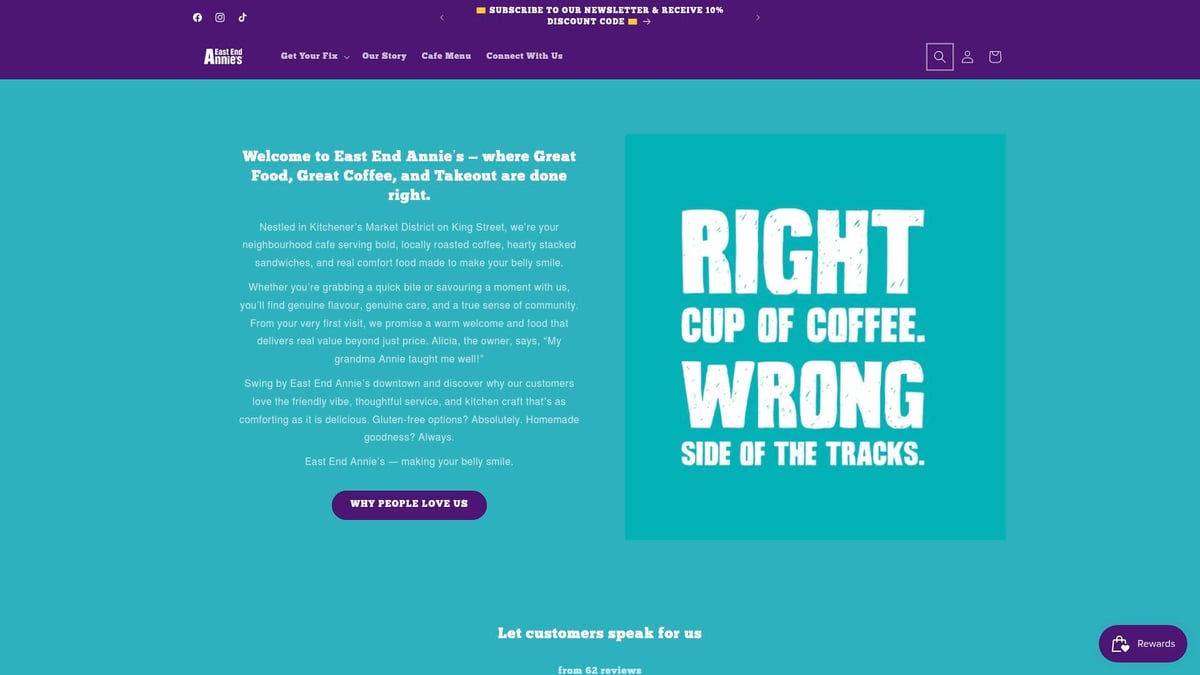
Their loyalty rewards and focus on connecting customers to local roasters make every visit meaningful. At East End Annie’s, you can experience the heart of the local coffee scene, meet passionate staff, and discover new favourites.
Drop by or order online to savour the freshest locally roasted coffee and become part of a thriving neighbourhood tradition.
Brewing Locally Roasted Coffee: Step-by-Step Guide
Brewing the perfect cup of locally roasted coffee starts with intentional choices at every stage. By following these steps, you will unlock the best flavours and aromas your beans have to offer, right in your own kitchen.
Step 1: Choose Your Beans
Begin by selecting locally roasted beans that match your taste preferences. Look for roast profiles such as light, medium, or dark, and consider origins that appeal to your palate. Always check the roast date to ensure maximum freshness, as locally roasted coffee is best enjoyed within days of roasting.
Opt for whole beans whenever possible. This allows you to grind just before brewing, preserving the nuanced flavours that make locally roasted coffee special. Many local cafes offer signature blends or single-origin selections, giving you a chance to explore unique profiles.
To support your community and earn perks with each purchase, consider joining a rewards program like the East End Annie's Rewards Program, which encourages you to buy locally roasted coffee while enjoying benefits.
Step 2: Proper Storage
Storing your locally roasted beans correctly is crucial for preserving their flavour and aroma. Use airtight containers, preferably made of glass or stainless steel, and keep them in a cool, dark place away from heat and moisture.
Avoid common mistakes like storing beans in the refrigerator or freezer, which can introduce unwanted moisture and dull the taste. Exposure to air and light accelerates staling, so always reseal your container after each use to maintain the integrity of your locally roasted coffee.
By protecting your beans from these elements, you ensure that each cup brewed at home reflects the true character of your locally roasted selection.
Step 3: Grinding for Your Brew Method
Grinding your locally roasted coffee just before brewing makes a noticeable difference in freshness. Match the grind size to your brewing device for the best extraction:
| Brew Method | Grind Size | Texture |
|---|---|---|
| French Press | Coarse | Sea salt |
| Pour-Over | Medium | Sand |
| Espresso | Fine | Table salt |
Invest in a quality burr grinder for consistent particle size, which helps highlight the distinct flavours of your locally roasted beans. Inconsistent grinds can lead to over or under-extraction, affecting the taste and clarity of your coffee.
Step 4: Brewing Techniques
Mastering your brewing method brings out the best in locally roasted coffee. Here’s a simple pour-over recipe for a medium roast Ethiopian bean:
- Heat filtered water to 93-96°C (200-205°F).
- Use a 1:16 coffee-to-water ratio (e.g., 20g coffee to 320g water).
- Bloom the grounds with a small amount of water for 30 seconds.
- Pour the remaining water slowly in a circular motion.
- Total brew time should be 2.5 to 3.5 minutes.
Adjust water temperature, grind size, and brew time to suit your taste. These small tweaks let you personalize every cup of locally roasted coffee for a consistently enjoyable experience.
Step 5: Savouring and Experimenting
Savour the flavours of your locally roasted coffee by taking note of aroma, body, and aftertaste. Try keeping a coffee journal to track your preferences and discoveries over time.
Experiment with different variables, such as water temperature or brew ratio, to unlock new dimensions in each roast. Many local cafes offer tasting notes or host workshops, helping you refine your palate and appreciation for locally roasted offerings.
By supporting local roasters and trying new techniques, you deepen your connection to both your cup and your community.
The Future of Locally Roasted Coffee: Trends for 2025
The world of locally roasted coffee is evolving rapidly, shaped by technology, sustainability, consumer preferences, community, and global flavour exploration. Let’s look ahead to 2025 and see how these trends are transforming the locally roasted coffee landscape.
Tech Innovations in Roasting and Brewing
Technology is revolutionizing the locally roasted coffee scene. Roasters in Ontario and beyond are adopting smart roasting machines that use sensors and AI-driven profiling. These innovations help ensure consistency and unlock each bean’s unique potential.
Home roasting kits and mobile apps are making the experience more interactive for consumers. Imagine tracking your favourite locally roasted batch’s roast curve via your smartphone or experimenting with custom profiles at home. Ontario startups are leading the way, launching IoT-enabled roasters that allow users to tweak variables in real time.
This tech-forward approach is enhancing quality control and transparency, giving coffee lovers more control and insight than ever before. As a result, the locally roasted coffee experience is becoming more personalized and engaging.
Sustainability and Environmental Impact
Sustainability sits at the heart of the locally roasted movement. Roasters are investing in zero-waste packaging, compostable materials, and energy-efficient roasting processes. Many are pledging carbon neutrality, with 40% of new roasters expected to achieve this milestone by 2025, according to the Coffee Sustainability Report.
By sourcing beans from farms practicing regenerative agriculture, roasters are helping protect ecosystems and support ethical farming. Packaging innovations, such as compostable bags and reusable containers, are reducing waste and shrinking the carbon footprint of locally roasted operations.
For more comprehensive data on global coffee production and its environmental impact, refer to the USDA's December 2024 Coffee Market Report. These efforts ensure the locally roasted coffee you enjoy is not just fresh, but also responsible.
Direct-to-Consumer and Subscription Models
The way people buy locally roasted coffee is changing fast. Direct-to-consumer models and subscription services are now mainstream, offering unmatched freshness and convenience. Many local roasters provide roast-to-order options, letting customers personalize blends and roast levels.
Subscription boxes often feature seasonal or limited edition coffees, delivered right to your door. This trend not only supports small businesses but also ensures customers get the freshest, most flavourful locally roasted beans available.
Local delivery, in-cafe pickup, and online ordering are making it easier for everyone to access high-quality coffee. These innovations are deepening connections between roasters and their communities, making the locally roasted experience more accessible and enjoyable.
Community-Driven Coffee Culture
Locally roasted coffee is more than a product—it’s a catalyst for community. Roasters and cafes are expanding educational workshops, tastings, and collaborative events. Coffee enthusiasts gather for cupping sessions, latte art competitions, and food pairings that celebrate local artisanship.
Collaborations between roasters, bakeries, and other local businesses are on the rise. These partnerships foster a sense of belonging and create opportunities for consumers to learn about the journey from farm to cup.
The community-centric spirit of locally roasted coffee strengthens neighbourhood identity and encourages consumers to support local enterprises. This trend is making coffee culture more interactive and inclusive than ever.
Global Flavours, Local Focus
As coffee lovers seek new taste experiences, locally roasted offerings are embracing global diversity. Roasters are introducing rare origins, micro-lots, and experimental blends, such as Ontario maple-infused beans or wild berry notes from Ethiopian harvests.
According to the International Coffee Organization's November 2024 Coffee Market Report, demand for traceable and unique coffees is rising worldwide. Locally roasted coffee now showcases global flavours while maintaining a focus on transparency and origin storytelling.
Expect more fusion blends and creative collaborations in 2025, as locally roasted brands continue to innovate and respond to consumer curiosity. The result is a richer, more adventurous coffee culture rooted in local pride.