

Guide to Good Good Coffee: Expert Tips for 2025
The search for the perfect cup of coffee is a journey shared by enthusiasts everywhere, whether brewing at home, relaxing in a favourite café, or grabbing a pick-me-up on the go. With the rise of specialty coffee and new trends shaping 2025, more people than ever are eager to experience good good coffee in every cup.
Yet, navigating choices around beans, brewing styles, and achieving café-level results can be overwhelming. This guide offers expert-backed, actionable tips to help anyone master good good coffee, no matter their experience.
Dive in for step-by-step guidance, insider secrets, and the latest trends. Discover how to consistently enjoy great coffee with advice tailored for 2025.
What Makes “Good Good Coffee” in 2025?
What truly sets good good coffee apart in 2025? The answer lies in a blend of innovation, community, and a relentless pursuit of quality. As coffee culture evolves, understanding what defines this elevated standard is essential for both newcomers and seasoned enthusiasts.
Defining “Good Good Coffee”
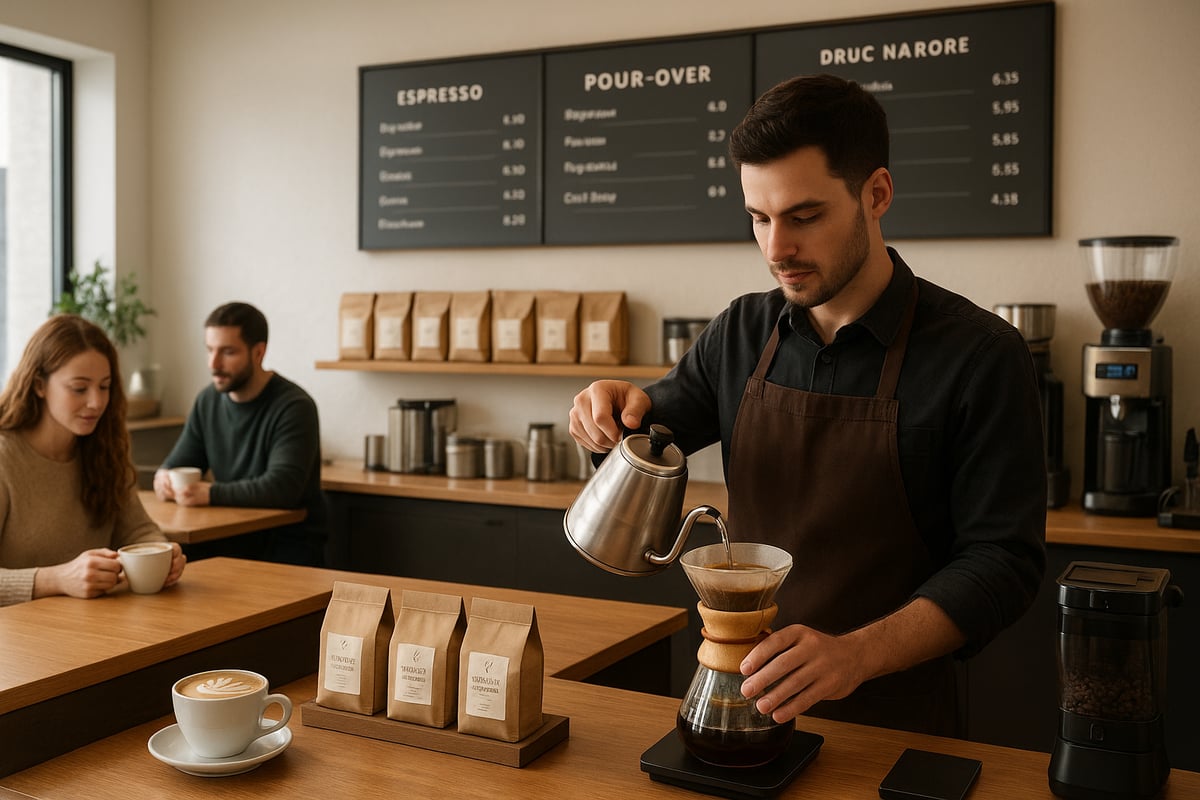
The concept of good good coffee has evolved from simply tasting pleasant to embodying a holistic experience. While "good" coffee meets basic flavour expectations and "great" coffee delivers complexity, "good good coffee" represents a new gold standard. It balances freshness, ethical sourcing, and flavour harmony.
Online communities, such as r/GoodCoffeeGreatCoffee, agree that good good coffee is not just about taste. It involves transparency, sustainability, and a commitment to excellence at every stage. Global competitions and specialty cafés are driving these new benchmarks, inspiring coffee lovers to seek out and share their own definitions of quality.
The 2025 Coffee Landscape: Trends & Innovations
In 2025, good good coffee is shaped by rapid technological advances and shifting consumer values. Smart brewers, precision grinders, and app-based brewing guides have become household staples. Sustainable practices, like compostable packaging and direct trade sourcing, are now industry norms.
Transparency is a top priority. Consumers demand to know where their coffee comes from and how it's produced. Plant-based milks and alternative sweeteners have surged in popularity, reflecting broader health and environmental trends. According to the 2025 Specialty Coffee Report, specialty coffee consumption continues to rise, driven by a desire for unique flavours and ethical choices.
Key Elements of Quality Coffee
Quality in good good coffee is rooted in several key elements:
- Bean Origin: Regions like Ethiopia, Colombia, and emerging micro-lots offer diverse flavour profiles.
- Roast Profile: Advances in roasting deliver consistent, nuanced results.
- Processing Methods: Natural, washed, and experimental processes impact aroma and body.
- Water Quality and Grind Size: Clean, mineral-balanced water and precise grinding are essential.
- Barista Skill: Attention to detail, from brewing to presentation, makes a significant difference.
Top-rated cafés and competition winners are celebrated for their mastery of these details, while user feedback highlights the importance of aroma, texture, and aftertaste.
The Role of Community and Experience
Community and shared experiences are at the heart of good good coffee culture. Café environments, both physical and digital, set the tone for how quality is perceived. Social media and review platforms amplify trends, enabling collaborative learning and recipe sharing.
Ambiance and service play a crucial role in the overall experience. Community-driven innovations, such as pop-up tastings and virtual cupping events, foster a sense of belonging among coffee lovers. Ultimately, good good coffee thrives where passion, expertise, and connection intersect.
Choosing the Right Beans: A 2025 Buyer’s Guide
Selecting the right beans is the foundation of good good coffee. With so many options available in 2025, understanding what sets quality beans apart is essential. This guide breaks down origins, roast profiles, ethical sourcing, freshness, and label decoding to help you make informed choices for every cup.
Understanding Coffee Origins and Varieties
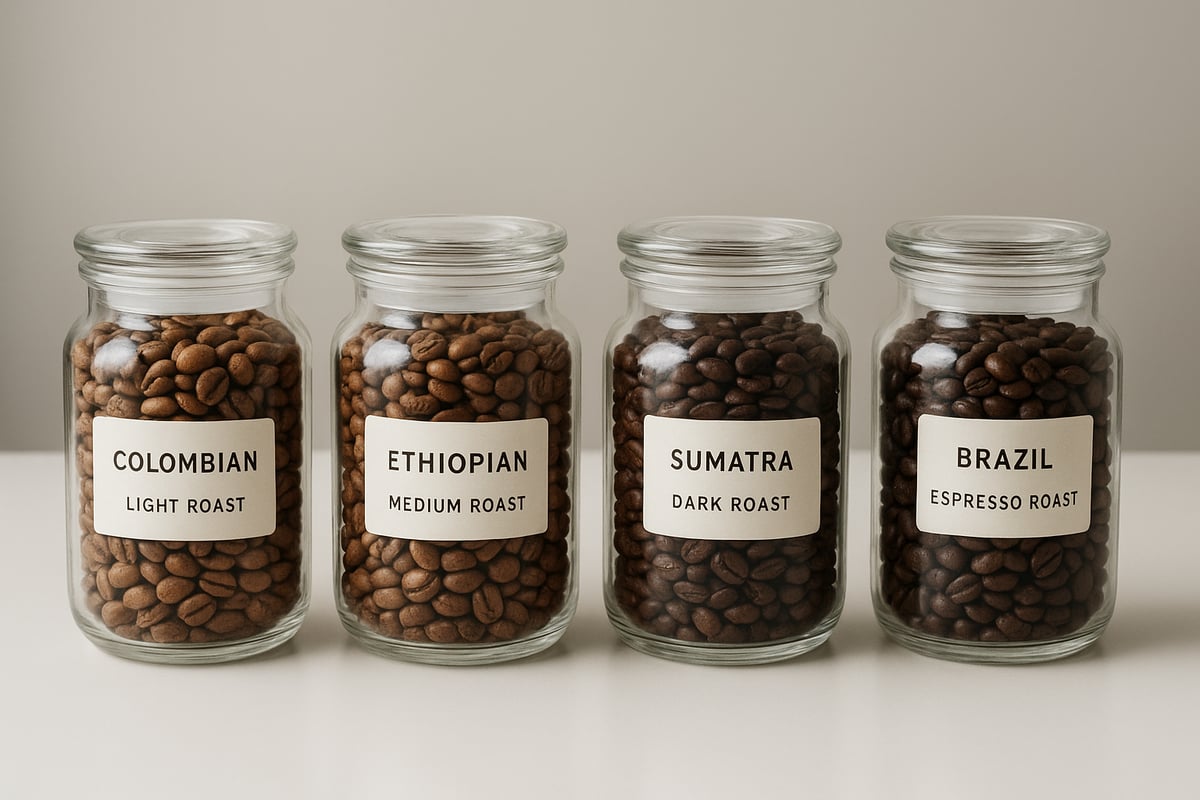
Origin, altitude, and climate all influence the flavour of good good coffee. Ethiopian beans are prized for floral and fruity notes, while Colombian coffees offer balanced acidity. Brazil remains popular for chocolatey, nutty flavours, and emerging regions like Myanmar are gaining recognition for unique profiles.
Varietals such as Bourbon or Geisha bring distinct tastes, with specialty guides and expert recommendations helping buyers navigate these choices. In 2025, trending beans reflect both classic favourites and new discoveries. For a curated selection, explore this premium coffee beans selection to find beans suited to your taste and brewing style.
Roast Profiles: Light, Medium, Dark, and Beyond
Roast level plays a critical role in shaping the taste of good good coffee. Light roasts preserve origin nuances and acidity, while medium roasts balance sweetness and body. Dark roasts bring boldness and a smoky finish, ideal for espresso enthusiasts.
Advancements in roasting technology in 2025 allow for greater precision and consistency. Matching the roast to your preferred brewing method enhances flavour, and experts stress the importance of checking roast dates for peak freshness. Popular roast profiles now include innovative blends that maximize complexity and aroma.
Sourcing Ethically: Fair Trade, Direct Trade, and Sustainability
Ethical sourcing is a key pillar of good good coffee in 2025. Certifications like Fair Trade guarantee minimum standards, while direct trade focuses on building transparent relationships with farmers. Regenerative agriculture and traceability are on the rise, reflecting consumer demand for sustainability.
Statistics show a growing preference for ethically sourced beans, with reputable roasters leading the way in responsible practices. When buying coffee, look for clear sourcing information and support brands that prioritize both farmer welfare and environmental impact.
Freshness Matters: Storage and Shelf Life
Freshness is non-negotiable for good good coffee. Always buy beans that are recently roasted, as flavour and aroma decline with age. Store your coffee in airtight containers, away from light, heat, and moisture. Keep beans at room temperature, and avoid freezing unless storing for extended periods.
Recognizing stale coffee is simple: diminished aroma, muted flavours, and a flat finish are telltale signs. Community forums suggest buying in small batches and using within three weeks for optimal taste. Data confirms that attention to storage preserves quality and elevates your daily cup.
Decoding Labels: What to Look For in 2025
Reading labels is essential for choosing good good coffee. Terms like single origin, blend, and processing method (washed, honey, natural) provide insight into flavour and quality. In 2025, QR codes and digital traceability are common, offering transparency from farm to cup.
Prioritize labels with clear roast dates, origin, and processing details. Expert opinions highlight the value of knowing your coffee’s journey. Innovative packaging not only protects freshness but also often shares stories about producers and sustainability, helping you make more informed choices.
Mastering Brewing Methods: Step-by-Step Expert Techniques
Unlocking the secrets of good good coffee at home in 2025 is all about precision and technique. Whether you prefer a classic pour over or an innovative new gadget, mastering brewing methods ensures every cup captures the rich complexity you desire. Let’s explore the essential steps, pro tips, and emerging trends shaping the pursuit of good good coffee this year.
Pour Over: Precision and Clarity
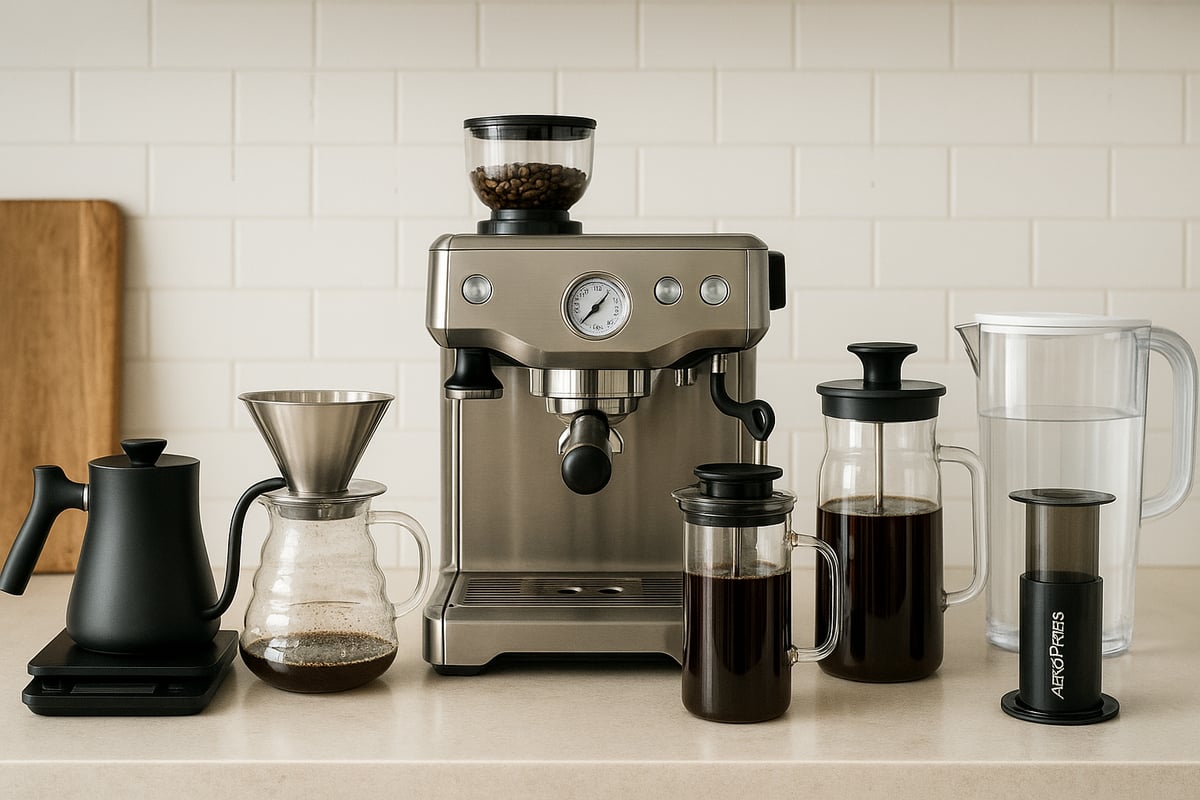
Pour over brewing remains a gold standard for good good coffee due to its clarity and control. Begin with freshly ground beans and use a burr grinder for uniformity. Place a filter in your dripper, rinse it, and add your coffee grounds. Use a smart scale to measure both coffee and water precisely. Heat your water to 94°C, then start with a gentle bloom by pouring just enough water to saturate the grounds. After 30 seconds, slowly pour in the remaining water in circles, ensuring even extraction.
Common mistakes include uneven pouring or incorrect grind size. Modern gooseneck kettles and digital scales make precision easier than ever. For more detailed guidance, explore expert coffee brewing tips from specialty baristas. With practice, your pour over method will consistently deliver good good coffee at home.
Espresso: Crafting the Perfect Shot
Espresso is the foundation of many café favourites and a true test of good good coffee technique. Start by dialling in your grind size: too fine results in bitterness, while too coarse leads to weak shots. Measure your dose with a scale, tamp evenly, and lock the portafilter into your machine. In 2025, home espresso machines offer advanced pressure profiling and temperature stability, making it easier to replicate professional results.
Aim for a 25-30 second extraction, observing the crema for colour and consistency. Adjust grind, dose, or pressure as needed to perfect your shot. Consistency is key to achieving good good coffee with espresso, so keep notes on your variables and results.
French Press: Full-Bodied Brewing
The French press is beloved for its bold, full-bodied flavour—a hallmark of good good coffee. Use a coarse grind and a ratio of 1:15 (coffee to water by weight). Pour hot water (just off the boil) over the grounds and stir gently. Place the plunger but do not press yet. Steep for four minutes, then plunge slowly and evenly.
To minimize sediment, consider using a double filter or decanting the coffee promptly. Modern French presses often feature improved filtration and heat retention. Experiment with steep times and ratios to find your ideal cup of good good coffee.
Cold Brew & Iced Coffee: Refreshing Variations
For a refreshing take on good good coffee, cold brew and iced coffee offer unique profiles. Cold brew is made by steeping coarsely ground coffee in cold water for 12-18 hours, resulting in a smooth, low-acid drink. Strain using a fine filter and store in the fridge for up to a week.
Iced coffee is brewed hot and then rapidly cooled over ice, preserving brightness and aromatics. Trending 2025 add-ins include floral infusions and plant-based milks. Serve with creative garnishes for a café-style experience. Both methods give you good good coffee for hot days or on the go.
Aeropress, Siphon, and Other Specialty Methods
Alternative brewing methods are gaining fans among good good coffee lovers. The Aeropress offers clarity and body, with a typical recipe: use medium-fine grounds, add hot water, stir, steep for one minute, then press gently. Siphon brewing, with its theatrical presentation and nuanced flavours, is resurging in specialty cafes.
Choosing the right method depends on your taste preferences and desired body. Many competitions now feature these specialty brewers, reflecting their rising popularity. Explore different techniques to discover your personal path to good good coffee.
Water Quality and Filtration: The Unsung Hero
Water quality is a crucial, often overlooked element in brewing good good coffee. Use clean, filtered water with balanced minerals—too soft or too hard can mute flavours or cause extraction issues. Many home brewers invest in filtration pitchers or remineralization packets for consistent results.
Aim for a water-to-coffee ratio suited to your method, typically around 16:1 for most brews. Studies show water chemistry can drastically impact flavour clarity and balance. Ensuring optimal water quality is an easy win for elevating your good good coffee game.
Troubleshooting Common Brewing Problems
Even with the best equipment, brewing good good coffee can present challenges. Bitterness often signals over-extraction or water that is too hot. Sourness may indicate under-extraction or a grind that is too coarse. Weak coffee usually results from too little coffee or too short a brew time.
To solve these issues:
- Adjust grind size incrementally
- Check your water temperature and ratios
- Keep detailed notes to track successful tweaks
Community forums and expert guides are invaluable for troubleshooting. Remember, experimentation and record-keeping lead to more consistent good good coffee over time.
Exploring Trending Coffee Flavours and Recipes for 2025
The world of good good coffee is bursting with new flavours and creative recipes in 2025. Coffee lovers are exploring ever more exciting ways to enjoy their daily brew, from seasonal blends to innovative infusions. This section dives into the most popular trends, techniques, and recipes shaping the future of good good coffee.
Innovative Flavors and Seasonal Additions
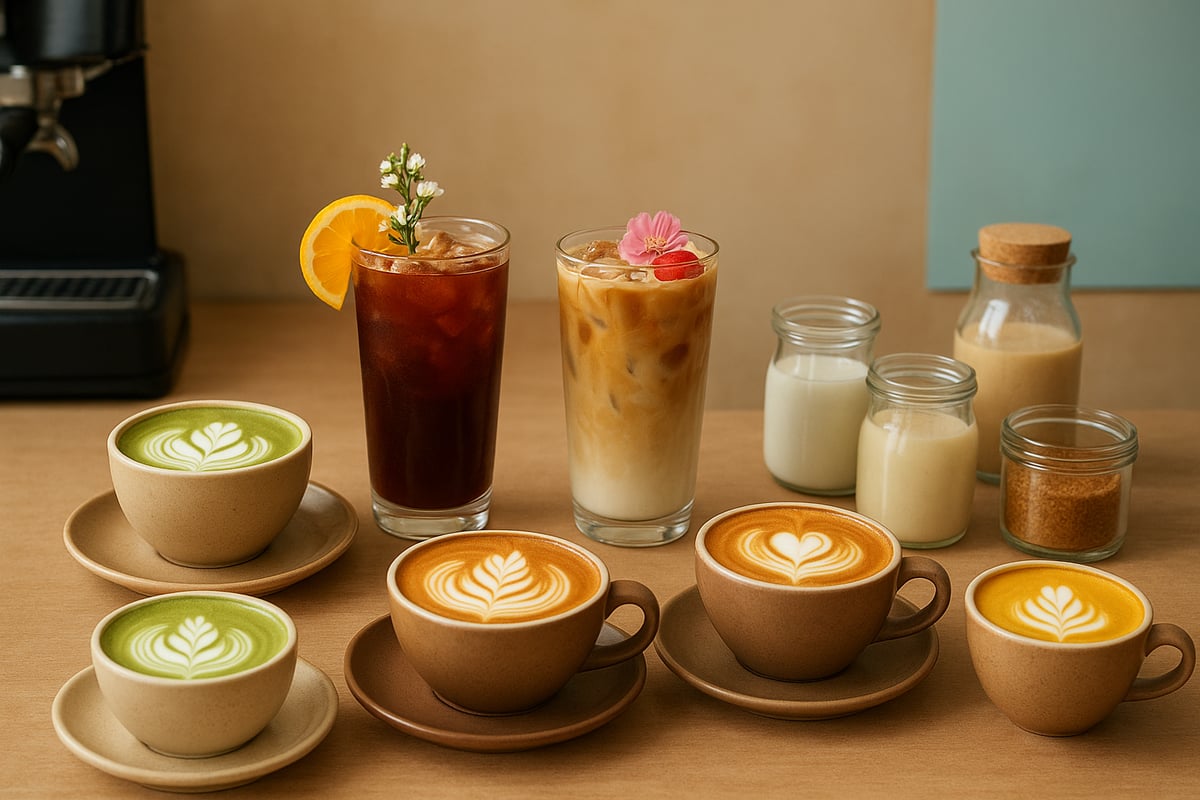
Good good coffee thrives on creativity, and 2025 brings a wave of bold, seasonal flavours. Floral notes such as lavender and rose are making a comeback, while fruity profiles like passionfruit and yuzu are trending in specialty blends. Spicy infusions, including cardamom and ginger, add depth and complexity to both hot and cold drinks.
Limited-edition and seasonal blends are highly sought after, with roasters experimenting each season. Many cafes are introducing infusions inspired by global cuisines. According to Mushroom Coffee Trend Analysis, functional ingredients like adaptogenic mushrooms are being added for wellness benefits, further expanding the good good coffee experience.
Home enthusiasts can experiment by adding dried flowers, spices, or fruit syrups to their favourite brews. Social media is fuelling the popularity of these unique flavour combinations, making good good coffee both a sensory and visual treat.
Plant-Based and Alternative Milks
The demand for plant-based milks in good good coffee is stronger than ever. Oat milk remains a favourite for its creamy texture and neutral flavour, while almond and soy milks are also widely used. Specialty options like macadamia, hemp, and pea milk are gaining fans for their sustainability and unique taste.
Baristas recommend using fresh, high-quality plant-based milks to achieve the best microfoam for lattes and cappuccinos. Each milk interacts differently with espresso, affecting sweetness and mouthfeel. The table below compares popular choices for good good coffee:
| Milk Type | Texture | Flavour Notes | Best For |
|---|---|---|---|
| Oat | Creamy | Neutral | Lattes, Cappuccinos |
| Almond | Light | Nutty | Iced Coffees |
| Soy | Smooth | Mild Bean | Flat Whites |
Pairing the right milk with your beans enhances the taste and elevates your good good coffee experience.
Sweeteners and Sugar Alternatives
Health-conscious coffee drinkers are transforming the way they sweeten their good good coffee in 2025. Natural sweeteners like stevia, monk fruit, and agave syrup are popular for their low calorie count and clean taste. Many consumers are reducing sugar or opting for honey and coconut sugar, which complement the flavour of specialty beans.
Artificial sweeteners still have a presence, but demand for clean-label ingredients is rising. Experts recommend adding sweeteners gradually and tasting as you go to maintain balance in your good good coffee. Community feedback highlights that the right sweetener can enhance, not overpower, the natural notes in your cup.
Experimenting with new sweeteners opens up endless possibilities for personalizing good good coffee at home or in cafés.
Latte Art and Presentation Trends
In 2025, the art of presenting good good coffee is just as important as flavour. Latte art competitions are introducing new techniques, from colour layering to 3D foam designs. Baristas are using edible flowers, stencils, and even digital tools to craft visually stunning drinks.
Social media platforms continue to drive these trends, with home baristas sharing their creations online. Expert tips include using chilled cups, high-contrast milk, and precision pouring for the best results in good good coffee presentation.
Popular tools for latte art include temperature-controlled pitchers and fine-tipped pens. From classic hearts to intricate animal faces, the visual experience adds another dimension to enjoying good good coffee.
DIY Coffee Recipes for Home Baristas
Making good good coffee at home is easier than ever with innovative, step-by-step recipes. Signature drinks like the iced caramel latte or matcha latte are favourites, while custom syrups, spices, and toppings encourage creativity.
Try this simple DIY recipe for an iced lavender latte:
- Brew a double shot of espresso or strong coffee.
- Add 1 tsp homemade lavender syrup.
- Pour over ice and top with oat milk.
- Stir and garnish with dried lavender.
Community forums and viral videos provide endless inspiration for customizing good good coffee. Consistency comes from measuring ingredients and keeping notes on your favourite combinations. For more ideas, explore books and online resources tailored to home baristas.
Advanced Coffee Skills: From Grinding to Tasting Like a Pro
Mastering advanced coffee skills is essential for anyone aiming to achieve consistently good good coffee at home. Whether you are upgrading your grinder, refining your palate, or connecting with the coffee community, these techniques will bring you closer to café-quality results.
Grinding for Perfection: Burr vs. Blade
Choosing the right grinder is the foundation for good good coffee. Burr grinders offer consistent particle size, leading to even extraction and balanced flavour. Blade grinders, while affordable, can create uneven grounds, resulting in over- or under-extracted brews.
| Grinder Type | Consistency | Flavour Quality | Price Range |
|---|---|---|---|
| Burr | High | Excellent | $$$ |
| Blade | Low | Mixed | $ |
Recent advancements in grinder technology, such as improved burr alignment and digital controls, make it easier to dial in your grind. For a deeper understanding of how roasting and grinding innovations are evolving, explore Specialty Coffee Roasting Trends 2025. For any brewing method, always match your grind size to your equipment, and ensure your grinder is clean for optimal good good coffee results.
Dialling In: Tasting, Adjusting, and Perfecting
Dialling in is the process of fine-tuning your coffee recipe by adjusting grind size, dose, and brew time until the flavours shine. Start by brewing a test cup, then evaluate aroma, acidity, body, and finish. Use a flavour wheel to articulate what you taste and identify areas for improvement.
Keep a log of your adjustments, noting which changes lead to better good good coffee. If your coffee is too bitter, try a coarser grind or shorter extraction. If it is sour, slow down extraction or use a finer grind. Tasting and tweaking is a continuous journey, and even minor changes can elevate your daily cup.
Coffee Cupping and Sensory Training
Cupping is a professional method for evaluating coffee’s aroma and flavour. To practice at home, grind a sample of good good coffee, add hot water, and let it steep. Break the crust with a spoon and inhale the aroma, then taste with a spoon, noting body, acidity, and aftertaste.
Sensory training sharpens your palate, helping you discern subtle notes and defects. Hosting a cupping with friends or joining local workshops can make the experience more interactive. Following industry standards will help you train your senses and appreciate the complexity in every cup of good good coffee.
Staying Current: Learning from the Coffee Community
The coffee world thrives on collaboration and shared knowledge. Online forums, local events, and workshops provide a space for enthusiasts to exchange recipes, troubleshooting tips, and brewing techniques. Engaging with the community will keep your good good coffee journey fresh and exciting.
Resources like books, podcasts, and YouTube channels are invaluable for staying updated. For a real-world example of community-driven coffee standards and values, learn more about Our cafe story and values. Continuous learning ensures your skills evolve alongside industry trends, helping you achieve excellence cup after cup.
The Future of Coffee Culture: Sustainability, Technology, and Community
The world of good good coffee is changing rapidly, shaped by global issues, innovative technology, and evolving consumer values. As we look ahead to 2025, understanding these shifts is key to enjoying coffee that is both delicious and responsible.
Sustainability in Coffee: From Farm to Cup
Sustainability is at the heart of the good good coffee movement. Producers are adopting eco-friendly practices, such as shade-grown farming, reduced water usage, and biodegradable packaging. Many brands now use direct trade models, ensuring fair pay and transparency from farm to cup.
Consumers are driving demand for traceable and ethical sourcing. According to recent industry data, more than half of coffee drinkers prefer brands that prioritize environmental responsibility. Compostable cups, reusable containers, and zero-waste initiatives are becoming standard in specialty cafes.
Leading roasters are investing in regenerative agriculture and carbon-neutral operations. The goal is clear: make every cup of good good coffee a positive force for both people and the planet.
Technology’s Role in Shaping Coffee Experiences
Technology is transforming how we experience good good coffee, both at home and in cafes. Smart grinders, AI-powered espresso machines, and mobile brewing apps are making precision and consistency accessible to everyone.
In 2025, digital tools help coffee lovers track bean origins, brewing stats, and freshness with a tap. Many cafes use AI to analyze customer preferences and suggest personalized drinks. These innovations are not just trends—they are shaping the very definition of quality. For a deeper look at these changes, explore Coffee Industry Trends 2025.
The fusion of tradition and technology means every cup of good good coffee can be crafted to perfection.
The Evolving Café Experience
Cafés are evolving into hubs for connection, creativity, and learning around good good coffee. Modern spaces now feature open layouts, natural lighting, and inclusive designs that welcome everyone. Many offer workshops, tastings, and community events to foster deeper coffee appreciation.
Menus are expanding to include plant-based options, global recipes, and wellness-focused drinks. Review platforms and social media play a big role in shaping reputations, making customer feedback more important than ever.
Ambiance, service, and community-driven innovation all contribute to the overall quality of the café experience. In 2025, cafés are not just places to drink good good coffee, but spaces to share and grow together.
Coffee and Wellness: Mindful Consumption
The relationship between good good coffee and wellness is entering a new era. Drinkers are increasingly aware of the health benefits and potential risks associated with their favourite beverage. Moderation, hydration, and ingredient quality are top priorities.
Functional ingredients such as adaptogens and probiotics are being added to coffee recipes for added health value. Data shows a rise in low-caffeine and decaf options, as well as sugar alternatives for health-conscious consumers.
Experts suggest listening to your body and choosing good good coffee formulations that align with your wellness goals. Mindful brewing and drinking can elevate both your daily ritual and your well-being.